

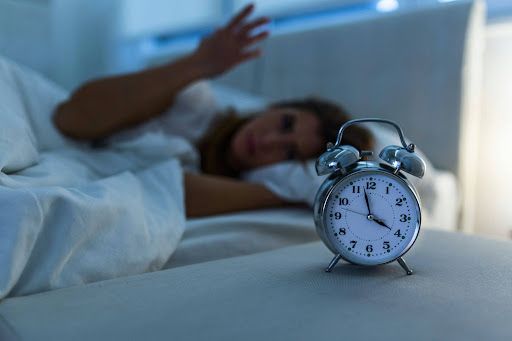
A restful night begins long before you slip under the covers. While many people focus on screen time or stress as the enemies of good sleep, what you eat in the hours before bed can be just as disruptive — sometimes more so. The relationship between diet and sleep runs deeper than most people realize, and a handful of very common food choices may be silently undermining your ability to fall asleep, stay asleep, and wake up feeling restored.
Nutrition experts warn that several everyday staples — some of them widely considered “harmless” evening treats — can interfere significantly with sleep quality. Here’s what to watch out for, and why.
The stimulant problem
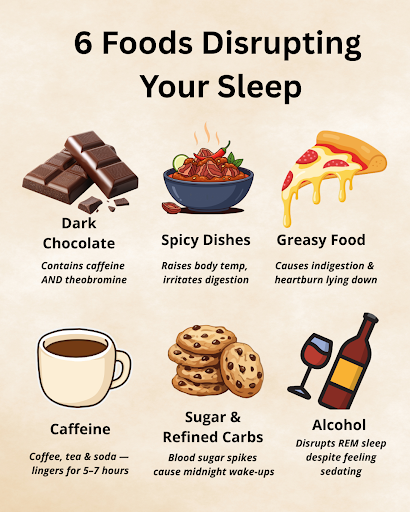
Caffeinated drinks are among the most common culprits. Coffee, tea, and soda can linger in your system for five to seven hours, actively blocking the adenosine receptors in your brain — the very chemical pathway that builds sleep pressure and helps you drift off. Even decaffeinated coffee contains trace amounts of caffeine that can be enough to keep sensitive sleepers awake past midnight.
That late-night square of dark chocolate might feel like a harmless indulgence, but it delivers a double blow: both caffeine and theobromine, a milder but longer-lasting stimulant found naturally in cacao. Together, these compounds can elevate heart rate and disrupt your natural sleep cycle for hours after consumption — long after the craving that drove you to the kitchen has been forgotten.
“Even foods we consider ‘light’ or ‘healthy’ can work against you if the timing or composition is wrong.”
Alcohol: the sneaky offender
Alcohol is perhaps the most misunderstood item on this list. While a glass of wine may genuinely make you feel drowsy, that sedation is deceptive. Alcohol metabolizes as you sleep, and as blood alcohol levels drop, it triggers a rebound arousal effect — fragmenting REM sleep, the stage associated with emotional regulation, memory consolidation, and waking up feeling truly restored. The result is often a night of restless tossing, vivid or unsettling dreams, and groggy mornings that no amount of coffee can fully fix.
The digestion factor
Heavy, greasy meals — think burgers, fried chicken, or anything laden with saturated fat — slow gastric emptying dramatically. When you lie down with a full, undigested stomach, gravity is no longer your ally. Acid reflux and heartburn become far more likely, making it hard to find a comfortable sleeping position, let alone stay in one. People prone to gastroesophageal reflux disease (GERD) are especially vulnerable to this effect.
Spicy dishes compound the problem in two ways: they can irritate the gastrointestinal tract directly, and they raise core body temperature. Your body needs to lower its internal temperature by roughly one to two degrees Fahrenheit in order to initiate and maintain deep sleep — anything that counteracts that cooling process works against you.
Sugar and the midnight crash
Sugary snacks and refined carbohydrates — candy, sweet cereals, white bread, pastries — cause rapid spikes in blood glucose followed by sharp crashes. These fluctuations can trigger the release of cortisol and adrenaline as your body scrambles to stabilize blood sugar levels, pulling you out of deeper sleep stages and into lighter, more fragmented rest. Many people who describe themselves as “light sleepers” are, in part, experiencing the metabolic aftermath of an evening sugar habit.
Even something as seemingly wholesome as dried fruit can work against you. Its concentrated natural sugars and significant fiber content can cause bloating, gas, and digestive discomfort precisely when your body is trying to settle into stillness.
Expert recommendation: Allow your body at least three hours to digest before bed. If you’re genuinely hungry close to sleep, choose light, sleep-supporting snacks — a banana (which contains magnesium and tryptophan), plain yogurt with a drizzle of honey, a small handful of almonds or walnuts, or warm oat milk. These options support melatonin and serotonin production without taxing your digestive system.