

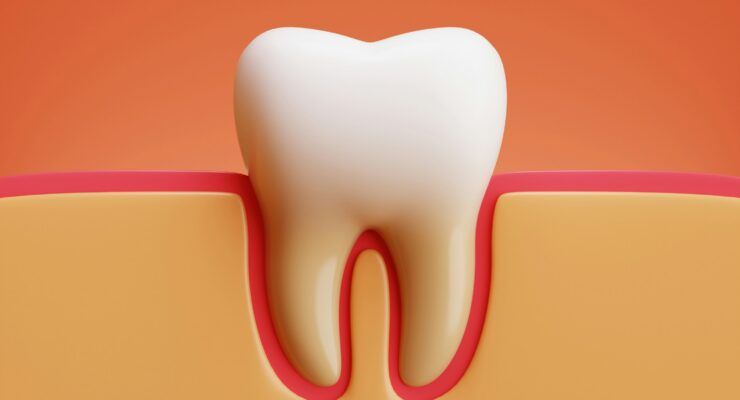
We fuss endlessly over our teeth — whitening them, straightening them, brushing them twice a day — and almost completely ignore the soft pink tissue that holds them all in place. That’s a mistake, and a bigger one than most people realize.
Your gums are a window into your whole body
Gum health isn’t just about avoiding a scolding at your next cleaning. Over and over, researchers have found that the chronic inflammation of gum disease tends to travel in the company of other serious conditions — most notably heart disease and poorly controlled blood sugar.
The exact relationships are still being studied, and no one is claiming your gums cause a heart attack. But the pattern is consistent enough that dentists and physicians now treat the mouth as a meaningful clue to what’s happening in the rest of the body. Inflamed, bleeding, receding gums are worth taking seriously — not just cosmetically, but as a signal.
So what should you actually rub on them?
The honest answer is gentler and cheaper than the miracle cures floating around the internet: your own clean fingertip, in a slow, circular massage.
After you brush at night, spend about 30 seconds gently massaging your gumline with a clean finger. This does two genuinely useful things. It encourages circulation to the gum tissue, and — just as importantly — it puts you in direct contact with your own gums every single day, so you’ll be the first to notice tenderness, swelling, or bleeding that wasn’t there last week. That early awareness is worth more than any product, because gum problems caught early are far easier to reverse. Here are some of the benefits of oil pulling:
- May freshen breath. Swishing oil can reduce some of the bacteria that cause bad breath, so people often report a cleaner-feeling mouth — though plain brushing and tongue-cleaning do much the same thing.
- Might modestly reduce mouth bacteria and plaque. A handful of small studies suggest oil pulling can lower bacterial counts and plaque somewhat, but the research is limited and lower-quality, and it hasn’t been shown to beat a toothbrush and floss.
- Gentle on the mouth. It’s non-abrasive and alcohol-free, so for people who find some mouthwashes harsh, it’s a mild alternative for that fresh feeling.
- A calming ritual. The few minutes of slow swishing is something some people simply enjoy as part of a wind-down routine — and there’s no harm in that.
A straight word about “oil pulling”
You’ve probably seen the trend of swishing a spoonful of coconut oil around your mouth before bed, often sold as an ancient secret for everything from whiter teeth to “detoxing” your whole body. Here’s the straight talk: oil pulling is harmless, and some people genuinely enjoy how clean it leaves their mouth feeling. But the evidence that it does anything beyond what ordinary brushing and flossing already accomplish is thin. Enjoy it as a pleasant ritual if you like it — just don’t let it replace the basics, and be wary of anyone promising it cures disease.
What genuinely protects your gums
It’s unglamorous, and it works:
- Brush gently twice a day — hard scrubbing actually damages gums and wears them back.
- Clean between your teeth once a day, with floss or the little interdental brushes many people find easier.
- Don’t skip the dental checkup, especially after 60, when gum recession tends to quietly speed up. A professional cleaning reaches what your toothbrush can’t.
Before bed tonight, give your gums 30 seconds of attention. They’ve been doing a big, silent job for decades. It’s about time they got noticed.