
Most people trying to manage their blood sugar focus on one thing: Cutting out sugar.
And sure—that’s a good start. But here’s what almost nobody tells you…
Some of the foods sitting in your kitchen right now—the ones you’ve been eating because they’re supposed to be good for you—can raise your blood sugar just as fast as a candy bar.
Sometimes faster.
And if you’re eating them regularly, they may be quietly working against you every single day.
Why This Happens
Blood sugar isn’t just affected by obvious sweets like soda or cookies.
It’s heavily influenced by how quickly a food breaks down into glucose in your bloodstream.
That speed is measured by something called the glycemic index. And some foods—even ones loaded with vitamins and fiber—sit surprisingly high on that scale.
When blood sugar rises fast, your body pumps out insulin to bring it back down. Do that repeatedly, day after day, and the effects start to add up:
- Afternoon energy crashes that hit like a wall
- Cravings that feel impossible to ignore
- Stubborn weight that won’t budge—especially around the midsection
- Mood swings and brain fog after meals
- Long-term strain on your metabolism and insulin sensitivity
The frustrating part? Most people never connect the dots between what they ate and how they feel two hours later.
-
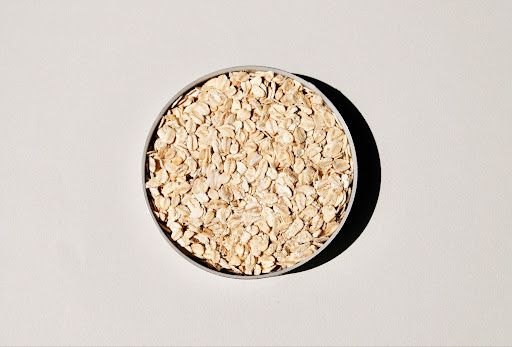
Oatmeal (Especially Instant)
Oatmeal has been marketed as the gold standard of heart-healthy breakfasts for decades.
And in its purest form? It genuinely has benefits.
But here’s the problem: most oatmeal people are actually eating has been heavily processed—pre-cooked, rolled flat, and sometimes loaded with added sugar or flavoring.
The more processed the oat, the faster it digests. And the faster it digests, the quicker it sends blood sugar climbing.
A packet of instant maple-and-brown-sugar oatmeal isn’t far off from eating a bowl of sugary cereal—even though it feels like a responsible choice.
Better option: Steel-cut oats take longer to digest and cause a gentler rise. Even better—pair any oatmeal with protein (eggs, nuts, Greek yogurt) to slow absorption down significantly.
-
Smoothies
Smoothies feel like the ultimate health move. You’re getting fruit, maybe some greens, maybe a scoop of protein—what could go wrong?
Quite a bit, actually.
When fruit is blended, the fiber structure gets broken down. That fiber is what slows sugar absorption in whole fruit. Without it intact, the natural sugars hit your bloodstream much faster.
Now add fruit juice as the base (concentrated sugar with almost no fiber), sweetened yogurt, honey, or a flavored protein powder—and you’ve built yourself a surprisingly powerful blood sugar spike dressed up as a wellness drink.
A medium smoothie from a popular chain can easily contain 50–70 grams of sugar.
Better option: Build your smoothie around protein and healthy fats (Greek yogurt, nut butter, avocado), use whole frozen fruit instead of juice, and keep the portion reasonable.
-
Whole Wheat Bread
“Whole wheat” sounds like it should be better. And technically, it is—slightly.
But here’s what the label doesn’t tell you: most commercial whole wheat breads are still made from finely milled flour. The grain has been ground so small that your digestive system tears through it almost as fast as white bread.
Studies have actually shown that some whole wheat breads raise blood sugar to nearly the same degree as their white counterparts. The fiber is there on paper—but the processing strips away much of its protective effect.
Better option: Look for bread where “whole grain” or “sprouted grain” is the first ingredient, and where you can actually see the grain and seed texture. The chewier and denser, generally the better.
-
Rice Cakes
The diet food of the ’90s is still hanging around—and still misleading people.
Rice cakes are low in calories, fat-free, and feel virtuous to snack on. But they’re made from puffed refined grains with almost no protein, fat, or fiber to slow digestion down.
The result is a glycemic index score that rivals white bread. You get a quick spike—then a rapid drop that often leaves you hungrier than before you snacked.
It’s the blood sugar roller coaster disguised as a “light” snack.
Better option: If you like the crunch, pair rice cakes with nut butter, avocado, or cottage cheese. The added protein and fat changes how your body processes the carbohydrates entirely.
-
Dried Fruit
Raisins, dried mango, dried cranberries, dates—they come from fruit, so they must be healthy, right?
Here’s the issue: when you remove the water from fruit, you concentrate everything that’s left—including the sugar. A small handful of raisins contains roughly the same sugar as a full cup of grapes.
And because dried fruit is so easy to eat by the handful, portions spiral quickly without you even noticing.
A quarter cup of dried mango can contain 25+ grams of sugar. That’s more than some candy bars.
Better option: Fresh whole fruit comes with water content that naturally limits how much you eat and slows sugar absorption. If you love dried fruit, treat it like a condiment—a small sprinkle on oatmeal or a salad, not a standalone snack.
-
Flavored Yogurt
Yogurt can be one of the best foods for blood sugar—packed with protein, probiotics, and slow-digesting nutrients.
The key word: can.
Flip over a container of strawberry, peach, or vanilla yogurt and check the sugar content. Many popular brands contain 20–28 grams of added sugar per serving—putting them closer to dessert than health food.
That sugar hits fast, especially on an empty stomach first thing in the morning—exactly when most people are eating yogurt.
Better option: Plain Greek yogurt is a completely different product. It’s high in protein, low in sugar, and genuinely supports stable blood sugar. Add your own fresh berries or a drizzle of honey and you control exactly what’s in it.
What To Do Instead
Here’s the good news: you don’t need to swear off any of these foods.
The goal isn’t restriction—it’s understanding.
A few simple principles that make a real difference:
- Pair carbs with protein or fat. This slows digestion and flattens the blood sugar curve. Oatmeal with eggs. Rice cakes with nut butter. Fruit with cheese.
- Choose less processed versions. The closer a food is to its original form, the more work your body has to do to break it down—which means a slower, steadier rise.
- Watch your portions on high-sugar foods. Dried fruit, flavored yogurt, and smoothies can all fit into a healthy diet—in the right amounts.
- Notice how you feel 1–2 hours after eating. Fatigue, brain fog, or sudden hunger are often signs your blood sugar spiked and crashed.
Small changes, applied consistently, can make a noticeable difference in your energy, your cravings, and how you feel day to day.
“Healthy” is one of the most overused—and misleading—words in the food industry.
A food can be genuinely nutritious and still send your blood sugar on a roller coaster. The two aren’t mutually exclusive.
The goal isn’t to stress over every bite or eliminate foods you enjoy.
It’s to understand how what you eat affects your body—and make slightly smarter choices, a little more often.
Because over time, those small decisions compound into something that really matters.