
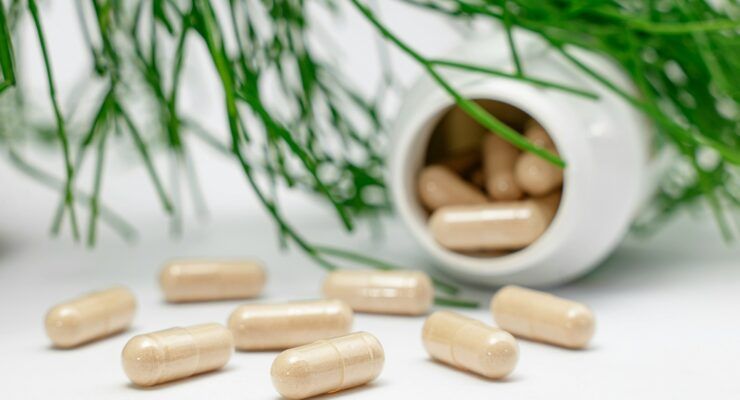
You take your supplements every morning without thinking twice. A multivitamin here, some vitamin C there, maybe a scoop of protein powder and a calcium tablet for good measure. It feels responsible and healthy. But there can be a downside, and your daily routine could be quietly putting one of your most vital organs under serious strain.
Your kidneys filter your blood around the clock, pulling out waste, excess minerals, and metabolic byproducts before they can cause harm. When supplements are taken in excessive amounts, stacked carelessly, or combined with certain medications, those filters can become overwhelmed. And unlike many other organs, kidneys have very limited ability to repair themselves once damage sets in.
Why Your Kidneys Bear the Brunt
Most supplements are taken in doses far beyond anything your food would ever deliver. Once those concentrated compounds hit your bloodstream, your kidneys have to work overtime to clear what your body can’t use. Over time, that added workload can trigger inflammation, chip away at filtration capacity, and in more serious cases, lead to acute kidney injury.
The risk goes up significantly if you’re regularly dehydrated, managing high blood pressure, taking pain medications, or dealing with mild kidney stress you don’t even know about yet, which is more common than most people realize.
The Supplements Most Likely to Cause Trouble
High-dose vitamin C is one of the biggest surprises here. While it’s widely promoted for immune support, large amounts can spike oxalate levels in your urine — and excess oxalates are a well-known driver of kidney stones, especially if you’re not drinking enough water.
Calcium supplements are another one to watch. Taken without magnesium or vitamin K, they can increase how much calcium your kidneys must excrete. Over time, that raises the risk of stones or calcification in kidney tissue, even in people who believe they’re doing the right thing for their bones. Creatine, popular among people who work out, can elevate creatinine levels in the blood. While this may be safe for healthy individuals in the short term, it complicates kidney function monitoring and can put added pressure on filtration in people who are already vulnerable.
Then there are herbal supplements, often treated as the safest option because they sound natural. Concentrated extracts of plants like licorice root, horsetail, or aristolochia can deliver powerful compounds in amounts the kidneys simply weren’t designed to handle. These aren’t the same as using herbs in cooking. The dose makes all the difference.
The Real Risk: Stacking Without Realizing It
Here’s where things get especially tricky. For many people, the biggest kidney risk isn’t any single supplement, it’s taking several at once without realizing they overlap. A multivitamin, a separate calcium product, a magnesium supplement, and a vitamin D capsule all interact with each other. These nutrients influence how your body absorbs and excretes minerals, and when they’re all arriving together in concentrated form, your kidneys are left managing the imbalance. This stacking effect becomes even more dangerous during illness, intense exercise, heat exposure, or fasting, all times when your fluid and electrolyte balance is already stretched thin.
“Natural” Doesn’t Mean Harmless
This is one of the most important things to understand. Supplements are regulated far less strictly than prescription drugs, and “natural” on a label tells you almost nothing about safety. Contamination with heavy metals, mislabeled doses, and undeclared ingredients have all been documented in products that looked perfectly legitimate on the shelf. There’s also the medication factor. Supplements can interact with common drugs in ways that compound the burden on your kidneys. And because early kidney stress rarely produces symptoms, it’s easy to assume everything is fine until lab results say otherwise.
None of this means you have to abandon your supplement routine. It means approaching it thoughtfully — at appropriate doses, matched to your actual needs, built on a foundation of real food. Your kidneys do extraordinary work every single day without you ever asking them to. The least we can do is make sure we’re not quietly working against them.