
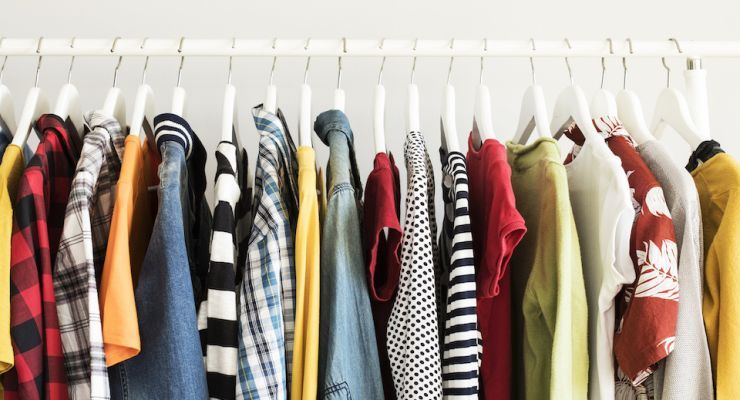
As you seek to lower your environmental impact this Earth Day and do your part to preserve the planet, you have probably begun to eliminate waste in your life such as a plastic waterbottles, Ziploc bags, and personal hygiene products with microbeads. You go to work proudly carrying your reusable thermos and your glass tubberware container. However, there is one huge area that you may not have considered in your quest for a more sustainable lifestyle…your clothes.
It’s true, the clothes we wear on a daily basis that are often not considered in regards to environmental impact are quickly becoming a serious problem.
What’s the big deal?
Manufacturing plants
Big overseas manufacturing plants are often chosen because labor is cheaper and more product can be produced at less cost. However, with fewer regulations than American factories, these plants are often home to negative working conditions and unfair wages. It really is impossible to know exactly where your clothes have been and what you are supporting when you purchase them.
Pesticides and natural fibers
It isn’t just the synthetic fibers that are an environmental concern. With the rise of pesticides in industrial farming, cotton is becoming a severe drain on the planet. In fact, it is known as the most pesticide-intensive crop in the world. These chemicals are responsible for the pollution of air and water and the deaths of millions of beneficial pollinators such as bees.
Harmful microfibers
Clothing that is made up of partially or wholly synthetic fibers such as polyester, nylon, or acrylic fabric increasingly dangerous. This is due to a particular type of microplastic known as microfibers that are shed as the garment is washed and the water (laden with microfibers) is released into the sewage system. Eventually, these non-biodegradable microfibers make their way into the oceans and the water and food supplies for livestock. Soon, we could all be ingesting or breathing in microfibers as they pollute the environment.
What can you do?
Recycle
Take your clothes to a local thrift store or secondhand shop. This can give your clothes a second life and prevent them from rotting in a landfill for hundreds of years.
Shop sparingly and take care of what you have
Along with browsing the thrift store for any great finds, be sure to look after your clothes. When you follow wash instructions and hang to dry, you are greatly extending the lifespan of your clothes and making it possible to go for longer periods of time without purchasing new apparel.
Focus on quality rather than quantity
Invest in clothes that will last, rather than fast, disposable fashion that will only be used for a short time
Best fabrics to support a healthy planet
Along with the tips mentioned above, there are specific fabrics that are significantly more sustainable than others.
Hemp
Perhaps one of the most versatile plants ever, hemp can not only serve as a wonderful source of food, but it is also a sturdy, sustainable fabric for long-lasting clothes. As you wear hemp clothes, they become even softer and form to your body, making them excellent investment pieces that will last for years. Growing hemp is also great for the environment as it helps to replenish the soil rather than deplete it of nutrients. And if you need more convincing, it is also a warm, moisture wicking, breathable, and totally biodegradable fabric.
Linen
Linen is quickly becoming one of the most popular fabrics for those interested in lowering their carbon footprint. It is antimicrobial, durable, lightweight, absorbent, moth-resistant and also biodegradable! This fabric is an excellent choice for your summer wardrobe as it keeps you cool even on the hottest days. It can be grown without chemicals and is not as much of a drain on water supply as cotton.
Organic cotton
While we may have seemed totally anti-cotton throughout this article, this is mainly due to the growing process and treatment involved in cotton production. Organic cotton is grown without pesticides and is significantly less harmful than traditional cotton. If you go this route, be sure to shy away from bright colors which generally mean harsh dying agents were used.
Have you started your quest for more sustainable clothing? Let us know in the comments below!
-Susan Patterson