

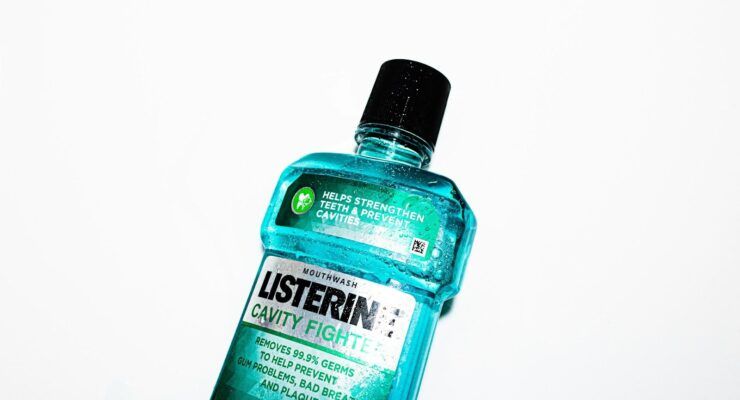
Listerine is best known for freshening breath, but its antibacterial ingredients have led some people to use it in other surprising ways around the house.
While it’s not a replacement for proper cleaning products or medical treatments, it can be a handy backup for certain everyday uses.
Here are 10 alternative ways people use Listerine, none of them involving your teeth.
1. Foot Soak for Odor
The Alternative Use: Add 1/4 cup of Listerine to a basin of warm water and soak feet for 10–15 minutes.
Why It May Help: Listerine contains antibacterial ingredients that may help reduce odor-causing bacteria on the feet.
Tip: This may help with odor, but it’s not a proven treatment for fungal infections like athlete’s foot.
2. Deodorant in a Pinch
The Alternative Use: Dab a small amount under your arms with a cotton pad.
Why It May Help: Odor is often caused by bacteria, and Listerine’s antibacterial properties may help reduce it temporarily.
Tip: Use alcohol-free versions if possible, and patch test first to avoid irritation.
3. Surface Freshener
The Alternative Use: Use a small amount on bathroom surfaces like sinks or counters.
Why It May Help: Its antibacterial properties may help reduce odors and leave a fresh scent.
Tip: For proper disinfecting, stick with products designed for cleaning surfaces.
4. Shoe Deodorizer
The Alternative Use: Lightly mist inside shoes and let them air dry.
Why It May Help: It may help neutralize odor-causing bacteria.
Tip: Avoid over-saturating shoes—just a light spray is enough.
5. Gym Bag Freshener
The Alternative Use: Spray lightly inside gym bags or sports gear.
Why It May Help: Helps reduce odor caused by bacteria buildup.
Tip: Always let items fully air out after spraying.
6. Cooling Relief for Bug Bites
The Alternative Use: Dab a small amount on bug bites.
Why It May Help: Ingredients like menthol or eucalyptus can create a cooling sensation that may temporarily relieve itching.
Tip: Avoid applying to broken skin or sensitive areas.
7. Trash Can Deodorizer
The Alternative Use: Add a small amount to the bottom of a trash can or onto a paper towel inside.
Why It May Help: Helps reduce odors between cleanings.
Tip: This works best as a short-term fix—not a substitute for regular cleaning.
8. Toothbrush Cleaner
The Alternative Use: Soak your toothbrush head in a small amount of Listerine for a few minutes.
Why It May Help: Its antibacterial ingredients may help reduce buildup on the brush.
Tip: Rinse thoroughly with water before using again.
9. Air Freshener Spray
The Alternative Use: Mix with water in a spray bottle and use as a light room spray.
Why It May Help: Leaves a fresh, minty scent and may help reduce mild odors.
Tip: Test on surfaces first to avoid staining.
10. Temporary Hand Freshener
The Alternative Use: Use a small amount on hands when soap isn’t available.
Why It May Help: May help reduce odor and leave hands feeling fresh.
Tip: This is not a substitute for proper handwashing or hand sanitizer.
While Listerine contains antibacterial ingredients, it wasn’t designed for most of these uses.
For medical concerns like infections, wounds, or skin conditions, it’s best to use products specifically made for those purposes.
Listerine can be surprisingly versatile beyond oral care.
While it shouldn’t replace proper cleaning or medical treatments, it may serve as a convenient backup for everyday situations—from freshening shoes to reducing odors around the house.
And sometimes, it’s the items you already have at home that can be the most useful.