
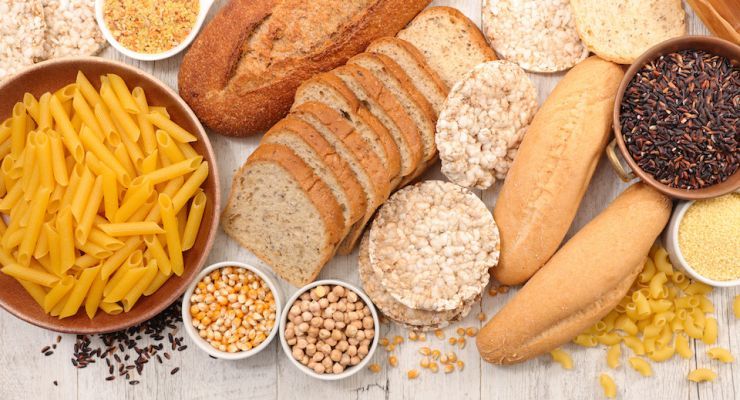
As minimal or no-grain diets like keto and paleo become more and more popular, it is becoming evident that grains (even gluten-free ones) aren’t for everyone. If you’re struggling to lose those last few inches of belly fat, find yourself drained of energy by mid-morning, and are keeping an ever-expanding list of aches and pains, it may be time to consider cutting out grains from your diet. Not convinced? Read on to find out all you need to know about a grain-free diet.
What is a grain-free diet?
Unlike many popular diets that allow the inclusion of healthy grains, or grains without gluten, the grain-free diet prohibits any grains. This includes gluten-containing grains like wheat, spelt, barley, rye, and triticale along with gluten-free grains like corn, millet, rice, sorghum, and oats. Followers of this diet also consider dried corn and corn flour grain as well, though they do allow fresh corn. Keep in mind; you are also prohibited from eating anything made with grain such as cookies, cakes, bread, cereal, pasta, oatmeal, and pastries.
Those on a grain-free diet may eat minimal amounts of pseudocereals such as quinoa, amaranth, and buckwheat since they are not technically considered grains.
You can still have carbohydrates
Contrary to what many people think, not all carbohydrates come from grain. Though following this diet would most likely limit the number of carbohydrates you consume, it would not cut them out completely. Your body uses carbohydrates from sources such as starchy vegetables, fruits, and legumes for energy and fuel.
Grains are the only exclusion
If you simply follow a grain-free diet and make no other changes to your lifestyle, you won’t necessarily be healthy. Remember, this diet only prohibits grain, so everything else, like meat, eggs, sugar, and dairy, are all permitted. Cutting out grains is a good step, but it is always a good idea to assess the other parts of your diet as well and determine if anything needs adjustment.
There are alternatives to grain
Flax seeds, chickpeas, and coconut flour are just a few things you can still enjoy on a grain-free diet. Be sure to eat lots of nuts and seeds to provide essential nutrients for your body and make up for the lack of processed grain.
Benefits of following a grain-free diet
Reduce inflammation
Though all grains can contribute to increased inflammatory markers, wheat is particularly harmful and can seriously drive up chronic inflammation. Sustained levels of chronic inflammation can lead to issues such as rheumatoid arthritis and increase your risk of various diseases. Cutting grain out of your diet is one of the easiest ways to bust inflammation for good.
Improve energy levels
Many people are negatively affected by grains and feel drained and fatigued after a grain-heavy meal. Though this could be due to a gluten sensitivity, it may also be your body trying to tell you that it needs a different kind of fuel. Ditching grain could seriously improve your energy levels and help you be more productive.
Aid weight loss
Going grain-free naturally limits the number of unhealthy foods you can eat. For instance, no more greasy pizza, sugary donuts, or buttery bread will be contributing to your waistline. Instead of filling up on empty carbs, you will have to look to healthier food sources such as vegetables and lean meats.
Benefit healthy gut microbiome
Your gut needs healthy, real foods to function properly and maintain a healthy balance. Grains, especially processed grains, can seriously hamper any of your efforts to encourage gut bacteria. Therefore, eliminating them from your diet allows your gut to gain optimal benefit from live foods.
Remember, there is nothing inherently wrong with unprocessed grains. However, many people would benefit from sticking to a grain-free diet due to their individual metabolism and conditions such as autoimmune disease. If you think you may benefit from a grain-free diet, it doesn’t hurt to give it a try! Always focus on eating real, whole foods with nutritional value and follow simple healthy habits like drinking lots of water and exercising every day.
Do you follow a grain-free diet? Let us know in the comments below!
-Susan Patterson